The Last Ship
A Musical By Sting
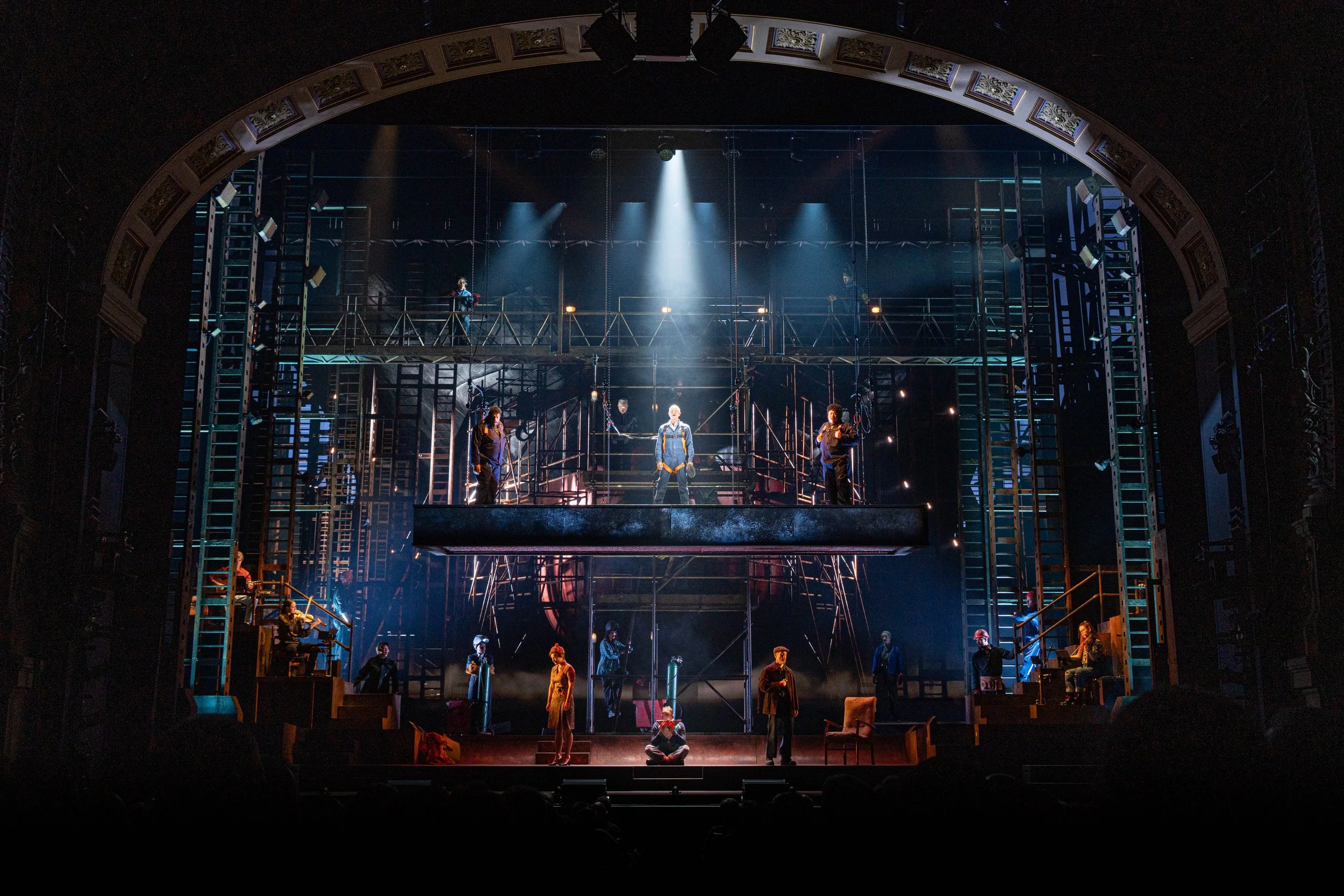
Set during the Thatcher years, the musical follows Gideon, a sailor returning home after 17 years to find the shipbuilding community he left behind in disarray. The yard is closing, the future uncertain, and a way of life slipping away.
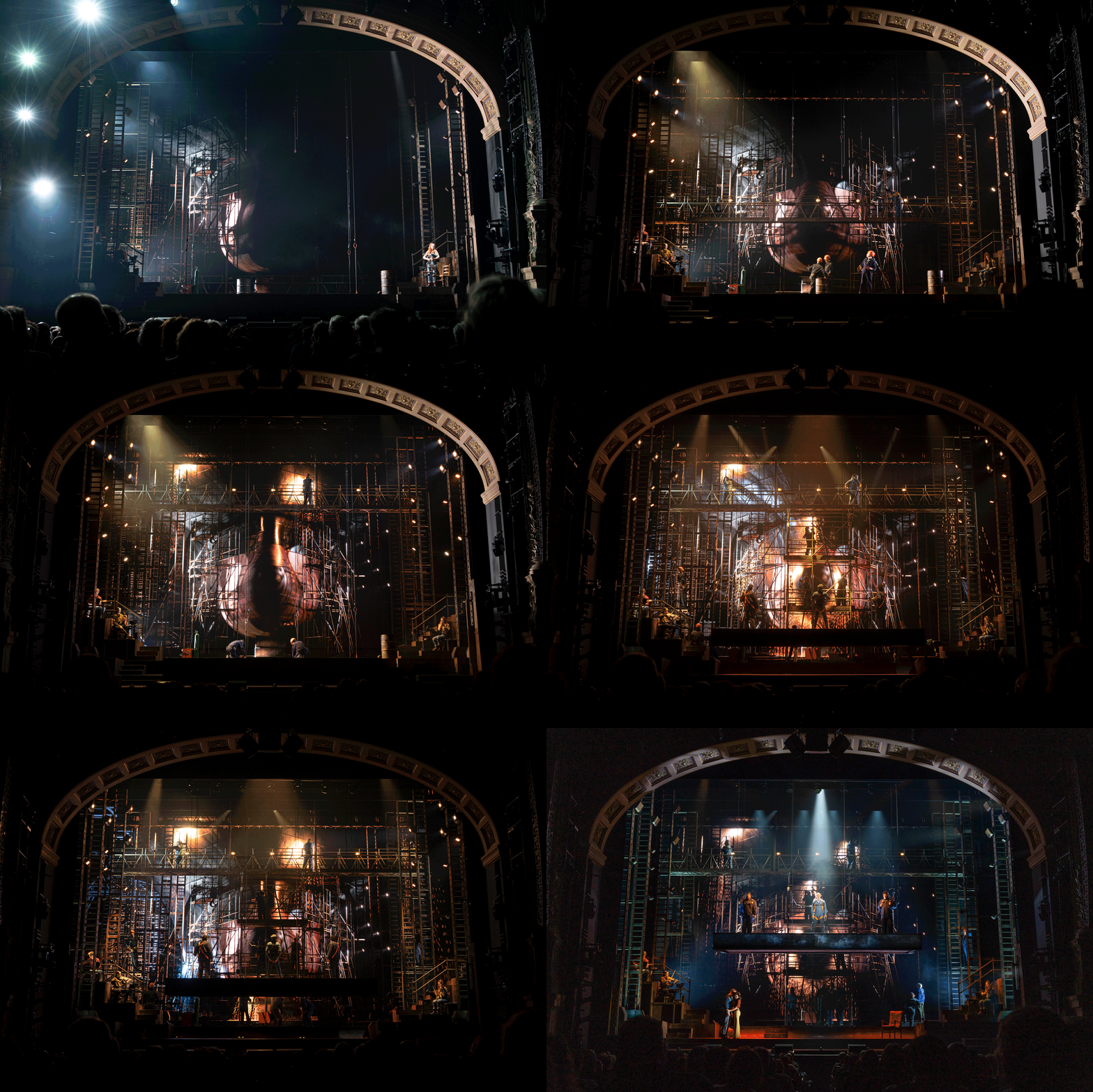
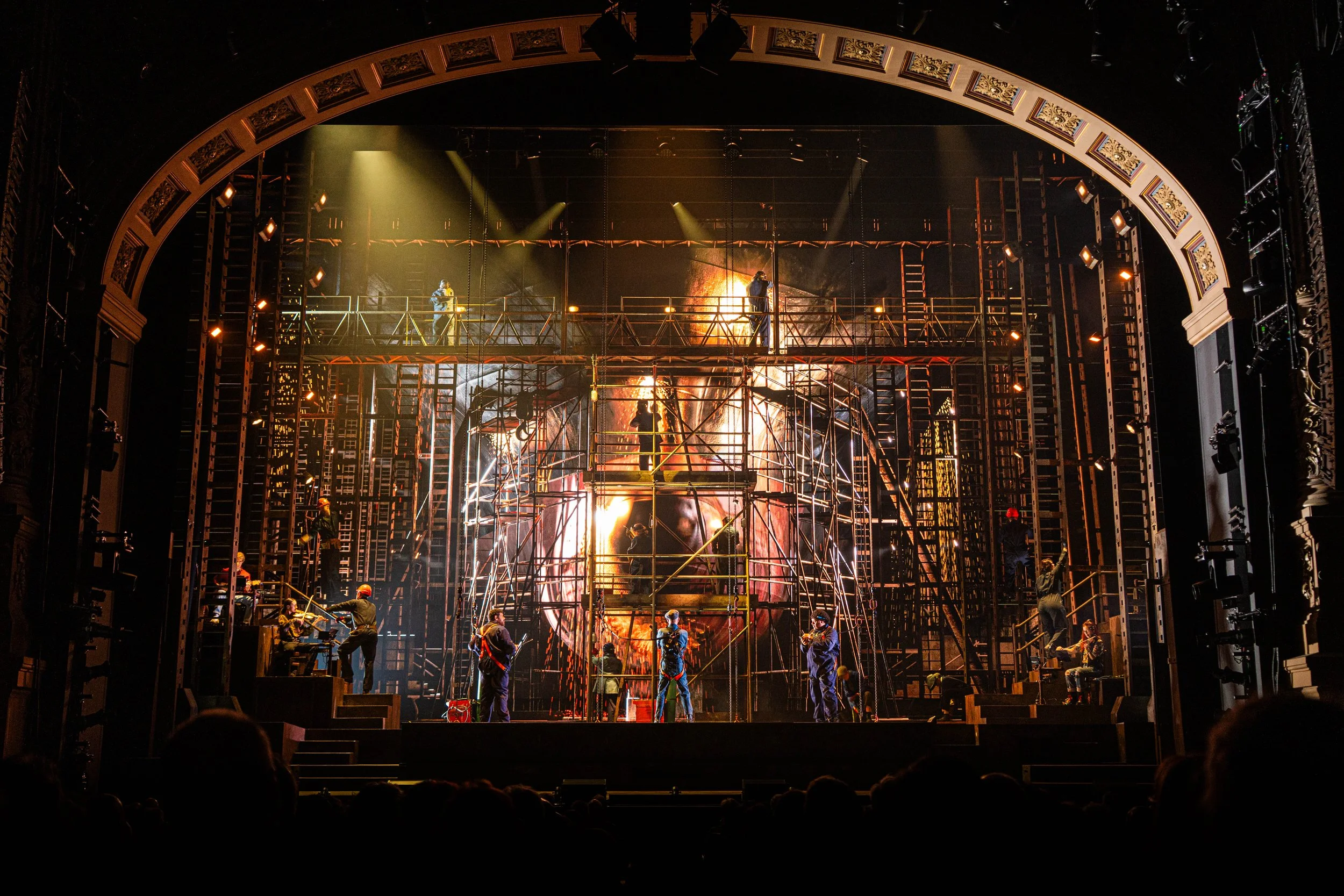
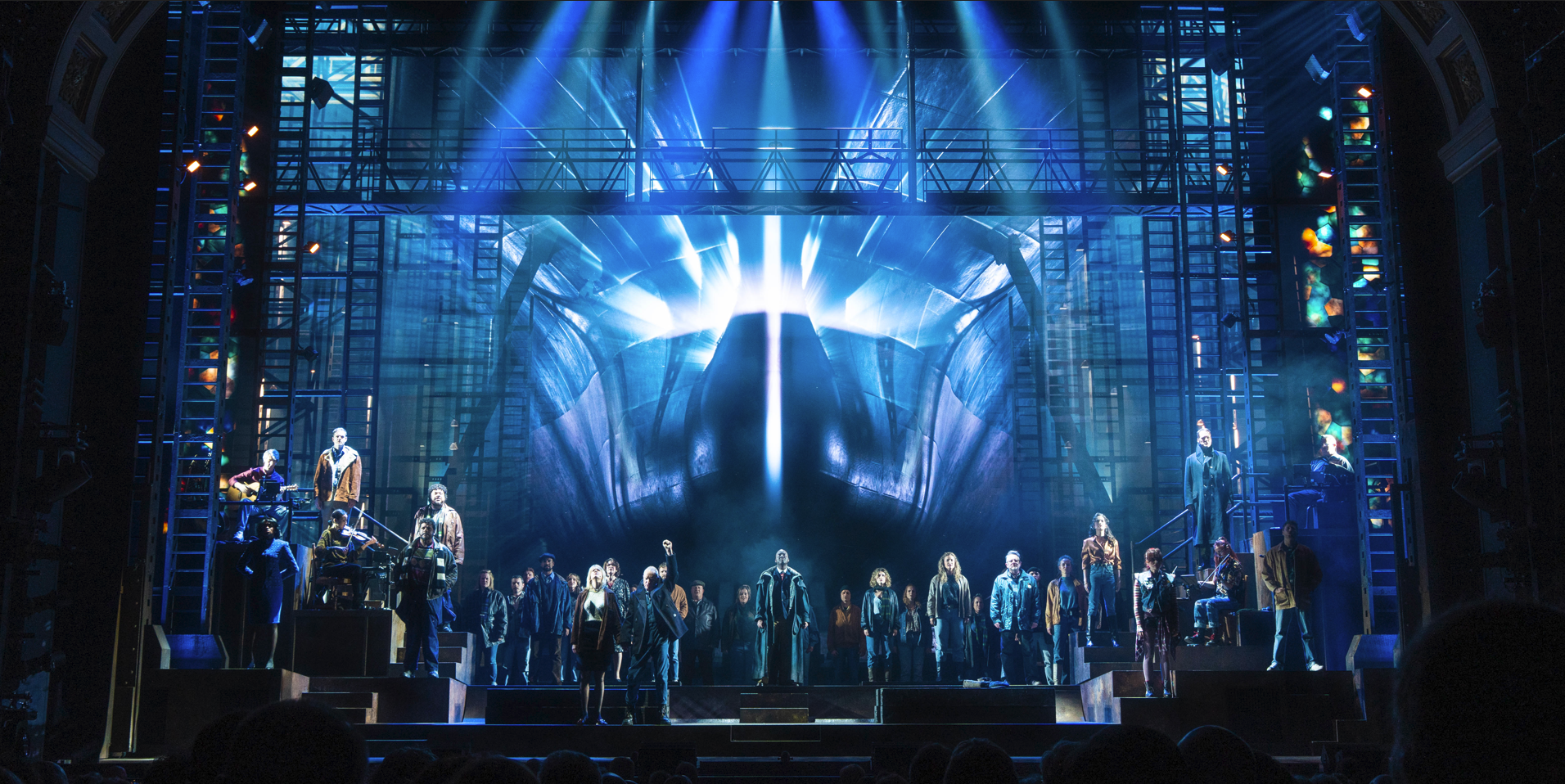
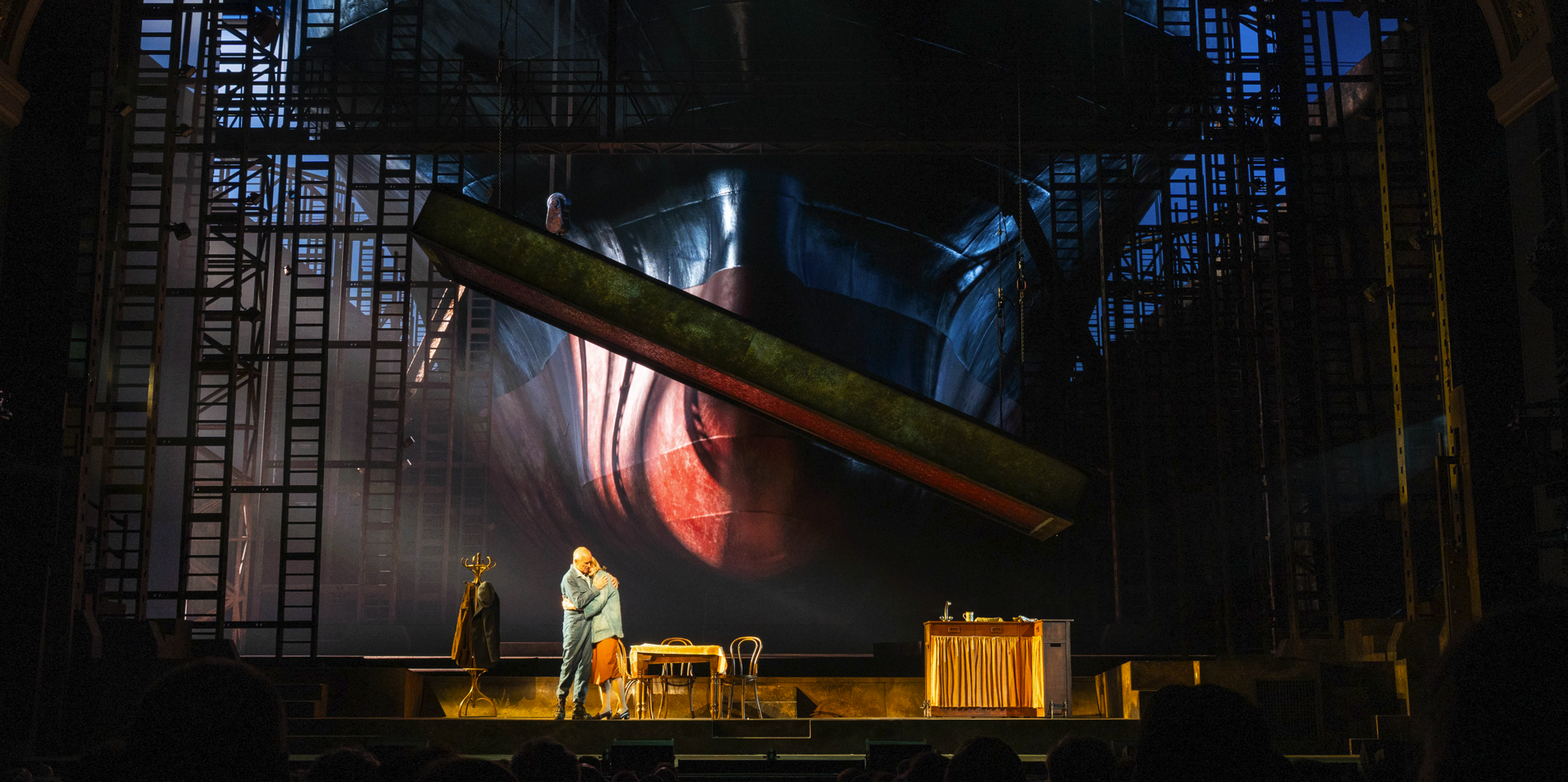
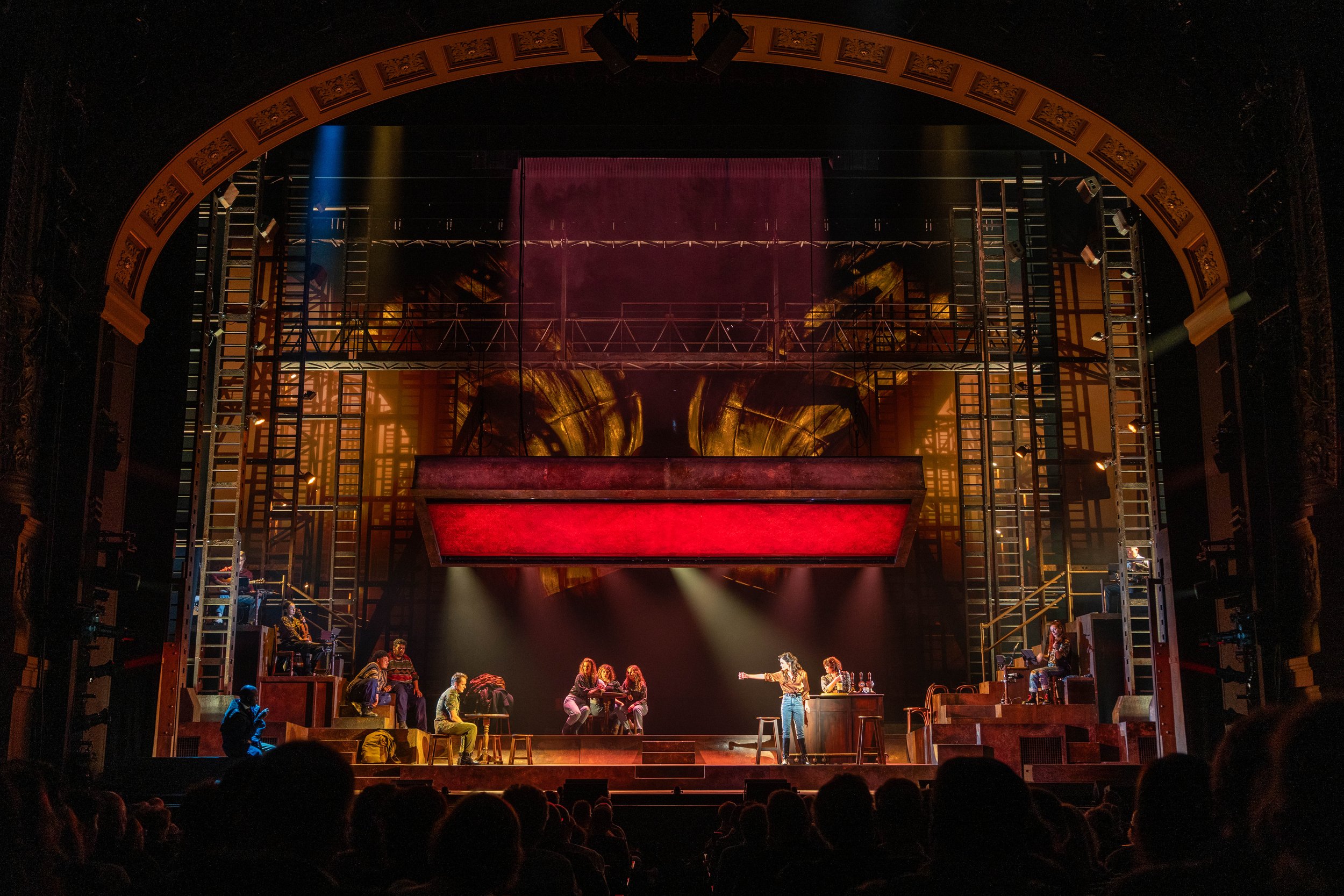
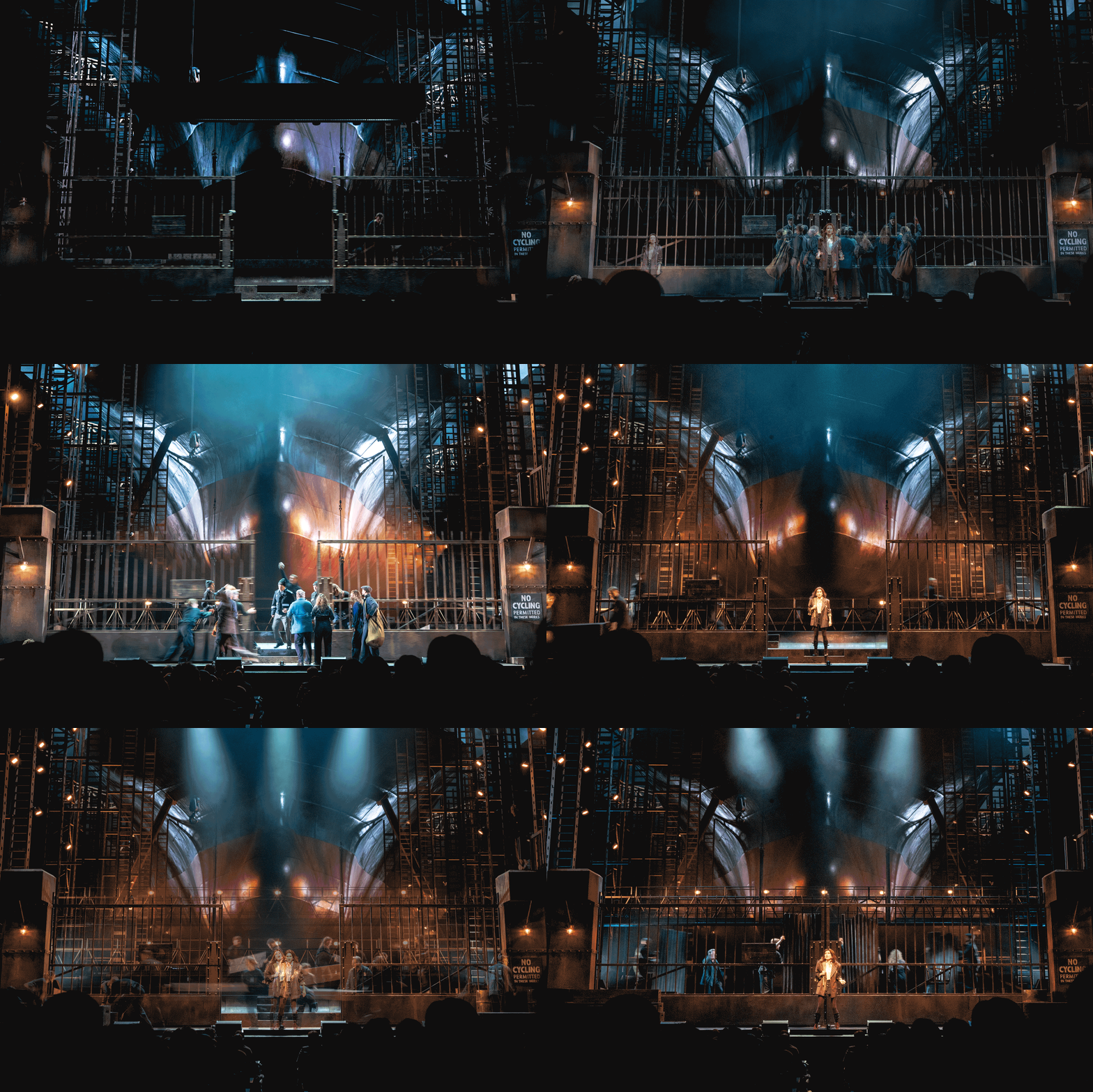
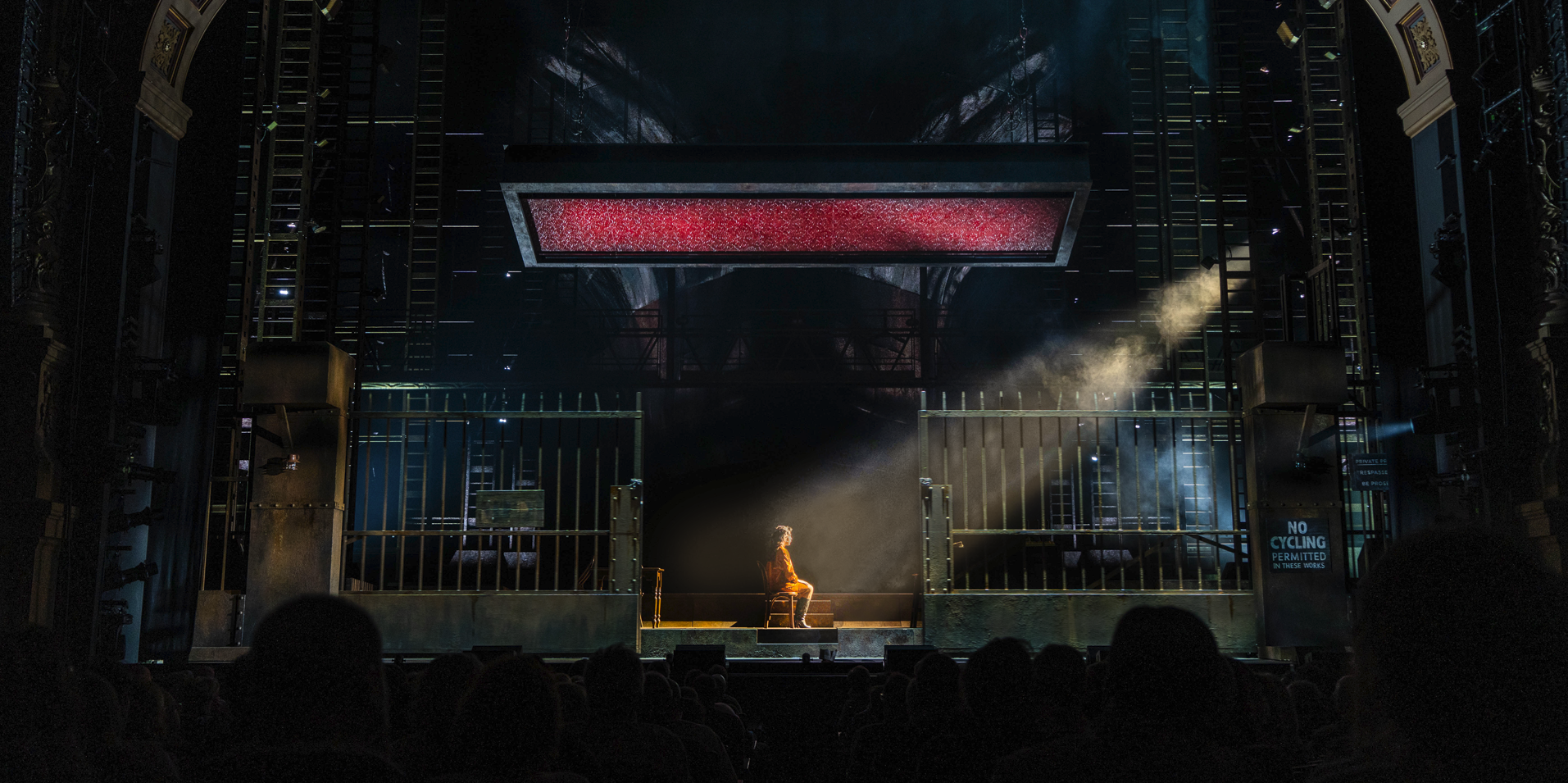
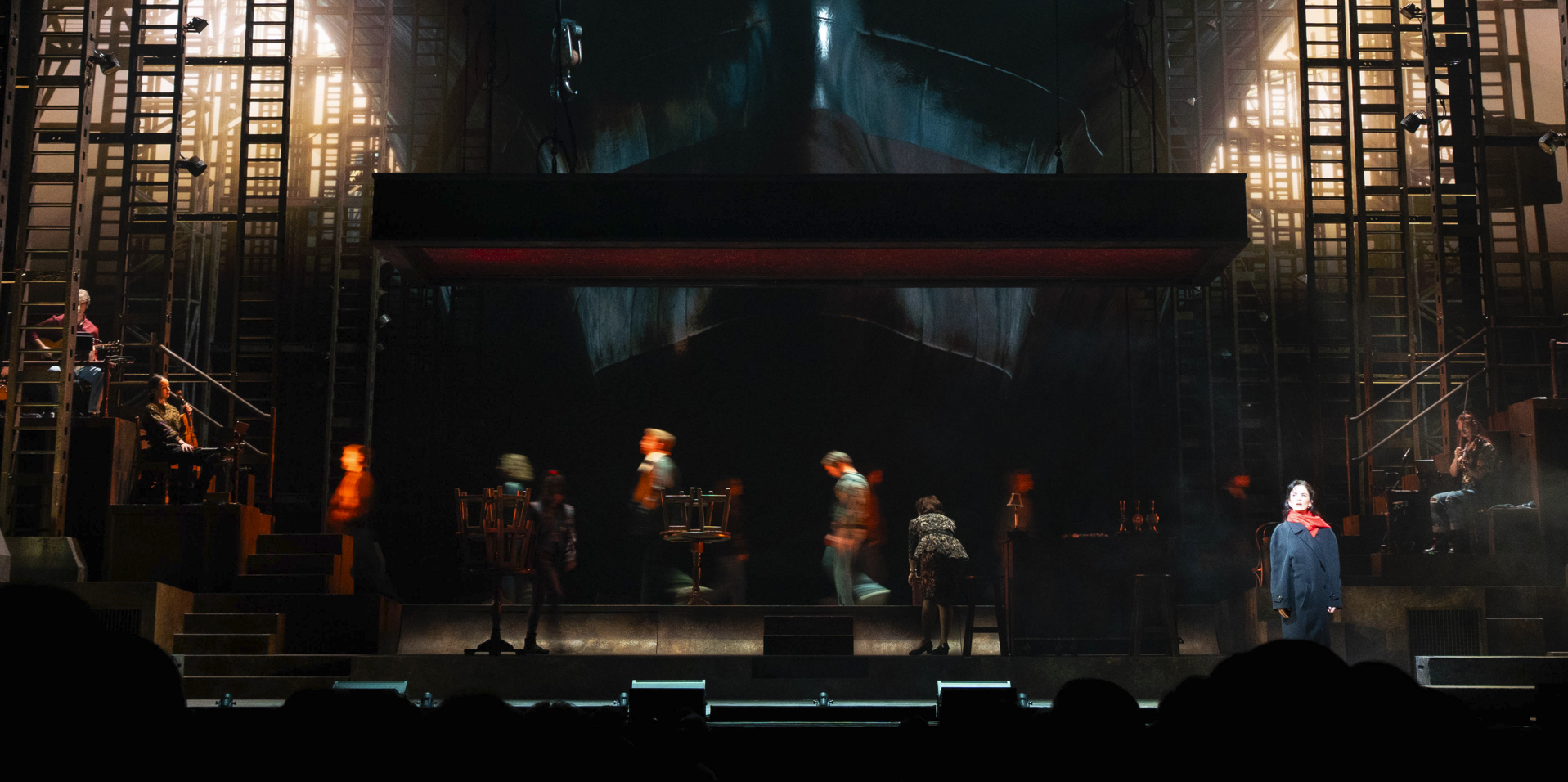
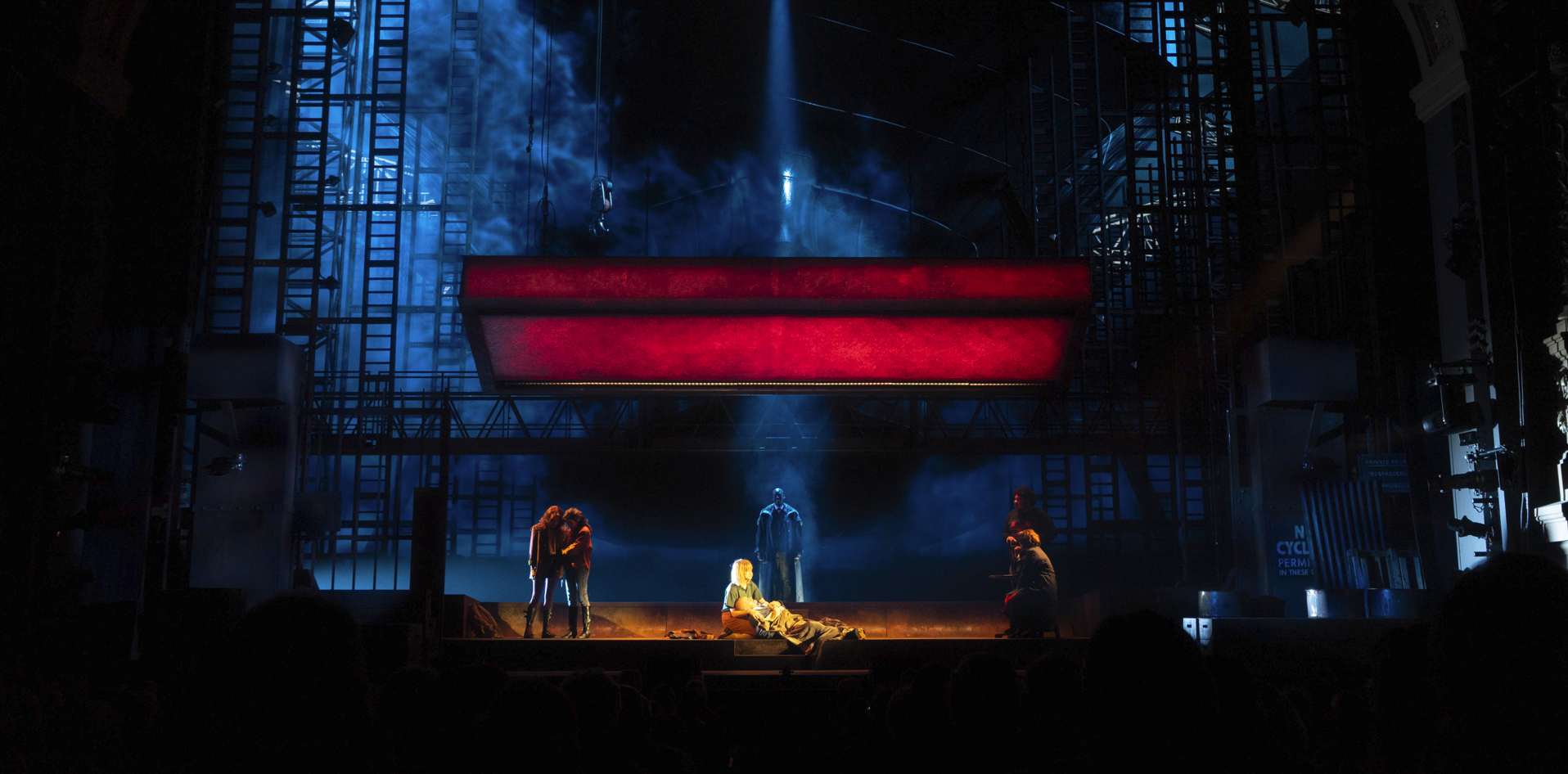
At its centre stands the last ship itself, looming and ever-present, defining the skyline. Realized at a monumental, near 1:1 scale, it becomes both structure and symbol, an industrial giant casting its shadow over the lives beneath it. The stage itself is a slipway, raked and extended into a digital set extension, drawing the audience into the architecture of the yard as though seated within its working spine.
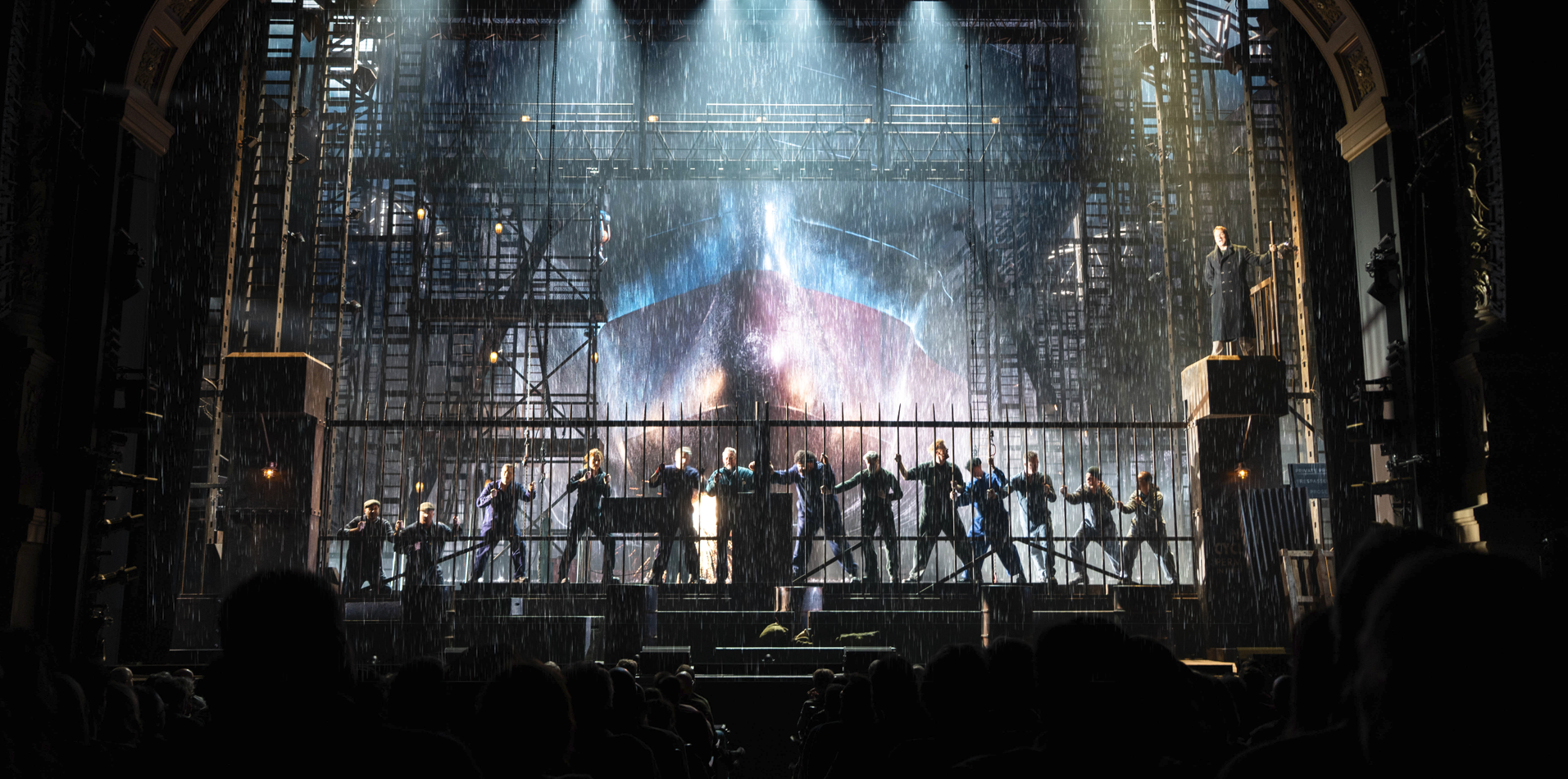
Around it, the world remains in constant motion. Set elements shift and reconfigure, transforming fluidly from the intimacy of workers’ homes to the vast scale of a shipyard. A unified material language of weathered Corten steel runs throughout, lending the space a raw, weathered, gestural strength. The physicality of shipbuilding is embedded into the performance itself - despite its scale, large scenic elements are moved by the performers, translating labour into choreography, where weight, effort, and repetition become part of the storytelling.
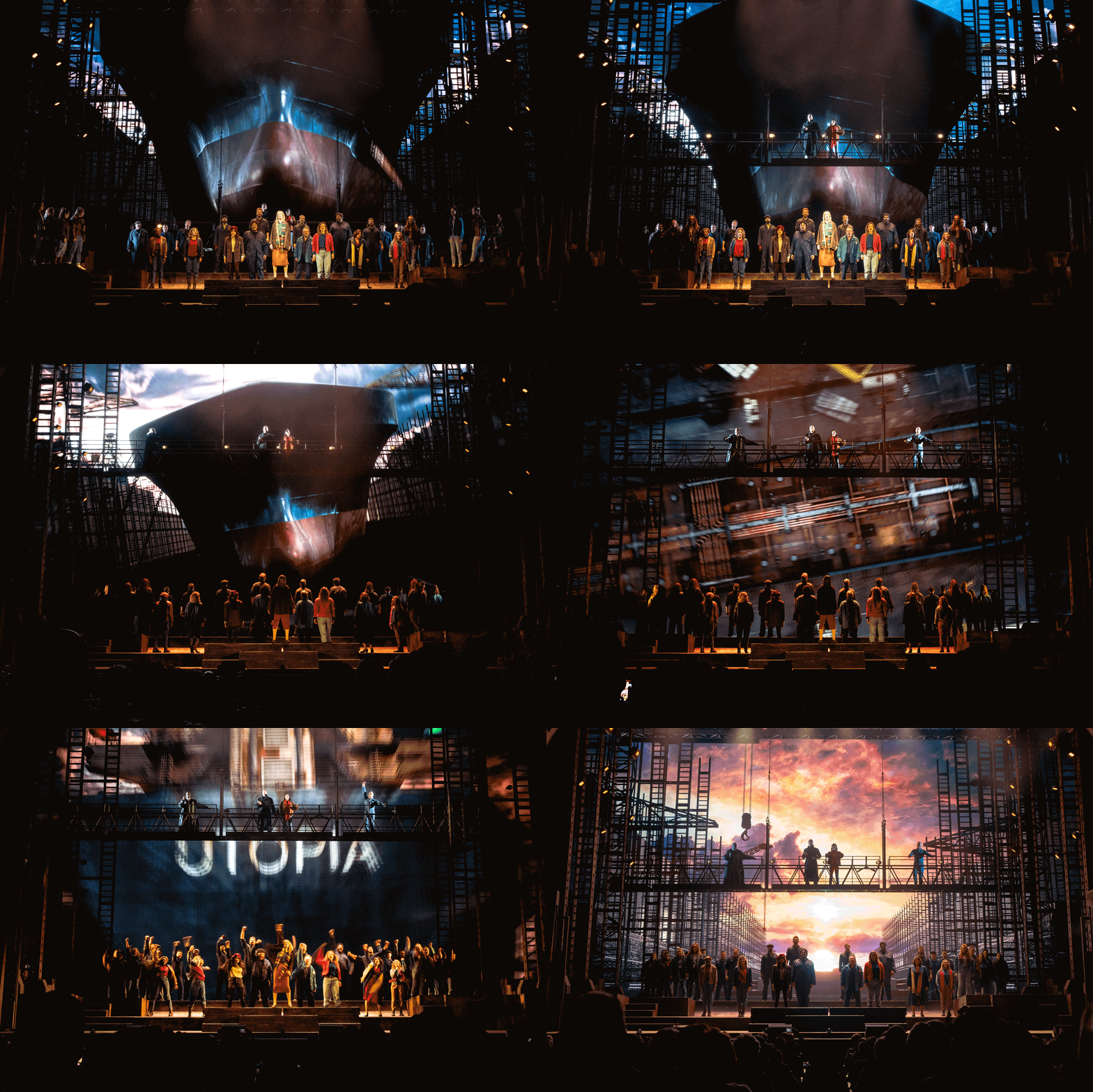
The show culminates with the ship launching down the slipway in the closing sequence. As this happens, the set itself moves out piece by piece, gradually opening the stage to reveal the view beyond. The monolithic vessel that once dominated the skyline gives way to open water and a fading sunset, offering a moment of release and defiant optimism for what may lie ahead.
Set Design
World Tour
2026
Sting & Karl Sydow
59 Studio
Director - Leo Warner
Principal Designer - Jenny Melville
Animation Director - Matthew Taylor
Senior Designer - Corinne Tolson
Assistant Designer - Aishah Alhady
The Metropolitan Opera, New York
The Royal Theater Carré, Amsterdam
Le Seine Musicale, Paris
Glasshouse Theatre, Brisbane
Theatre Royal Drury, London
TYPE
LOCATION
YEAR
CLIENT
COMPANY
TEAM
THEATRES
“The Last Ship” was inspired by the shipyard community in his home town, Wallsend, where Hadrian’s Wall ends, in the North of England. His coveralls (“In Britain, we call this a boilersuit”) resembled what his grandfather, a shipwright, wore “every day of his life”
-The New Yorker
“The digital projections blend so seamlessly with the physical scenery that at times it is tricky to tell where one ends and the other begins.”
-The Guardian
"My earliest memories are of seeing a giant ship blocking the sun at the end of the street, thousands of men and women walking to work every morning in this dark, frightening, noisy, hellish place"
-Sting, NPR